
Introduction
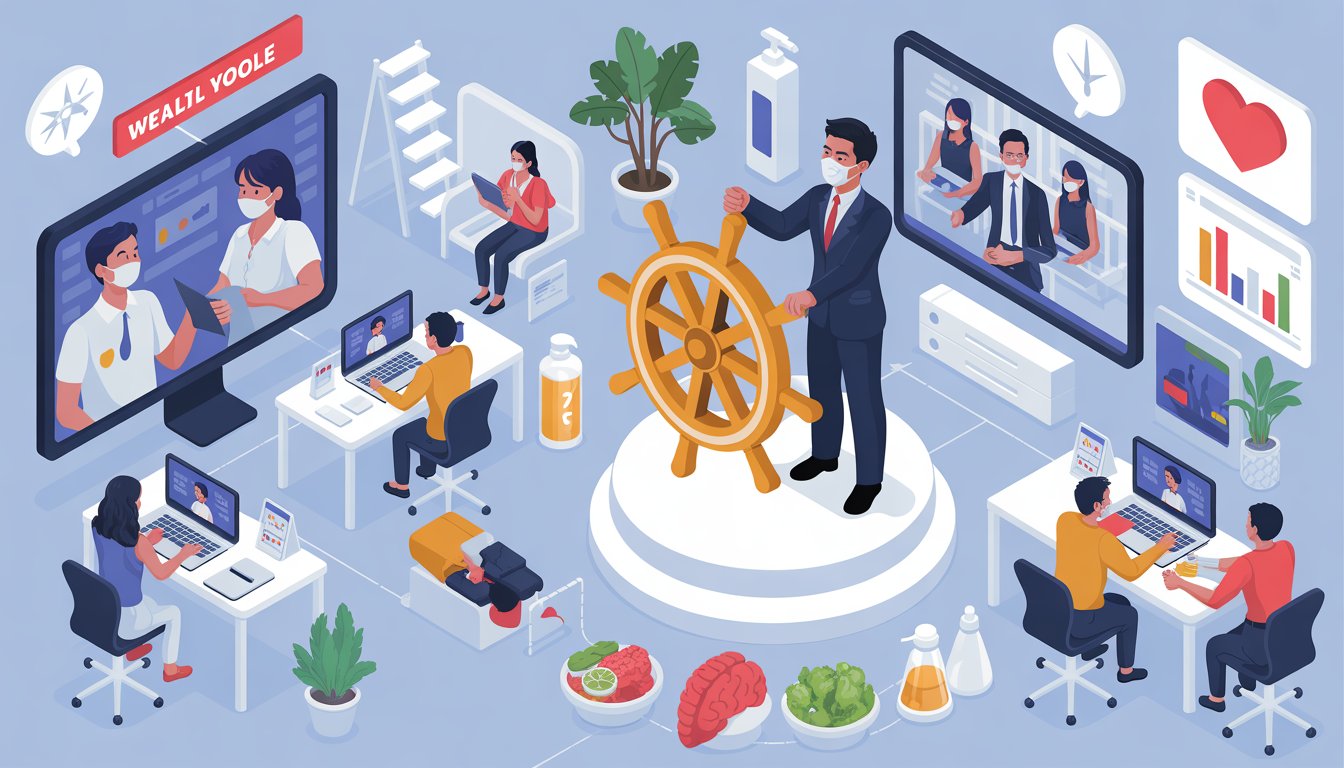
Malaysian workplaces are evolving fast in 2025. Hybrid schedules, tighter budgets, and rising health risks all shape how companies support people. A structured wellness plan can steady the ship, improve performance, and protect privacy, all in one go. This tutorial-style guide breaks down the essential components, shows trending program ideas, and highlights trusted practices for data protection and app features. For teams just starting or refreshing their strategy, this overview keeps it practical and Malaysia-ready. To go deeper or benchmark plans, many HR teams reference corporate health wellness programs as a baseline concept before customising for local needs.
What Components Should a Comprehensive Workplace Wellness Program Include?
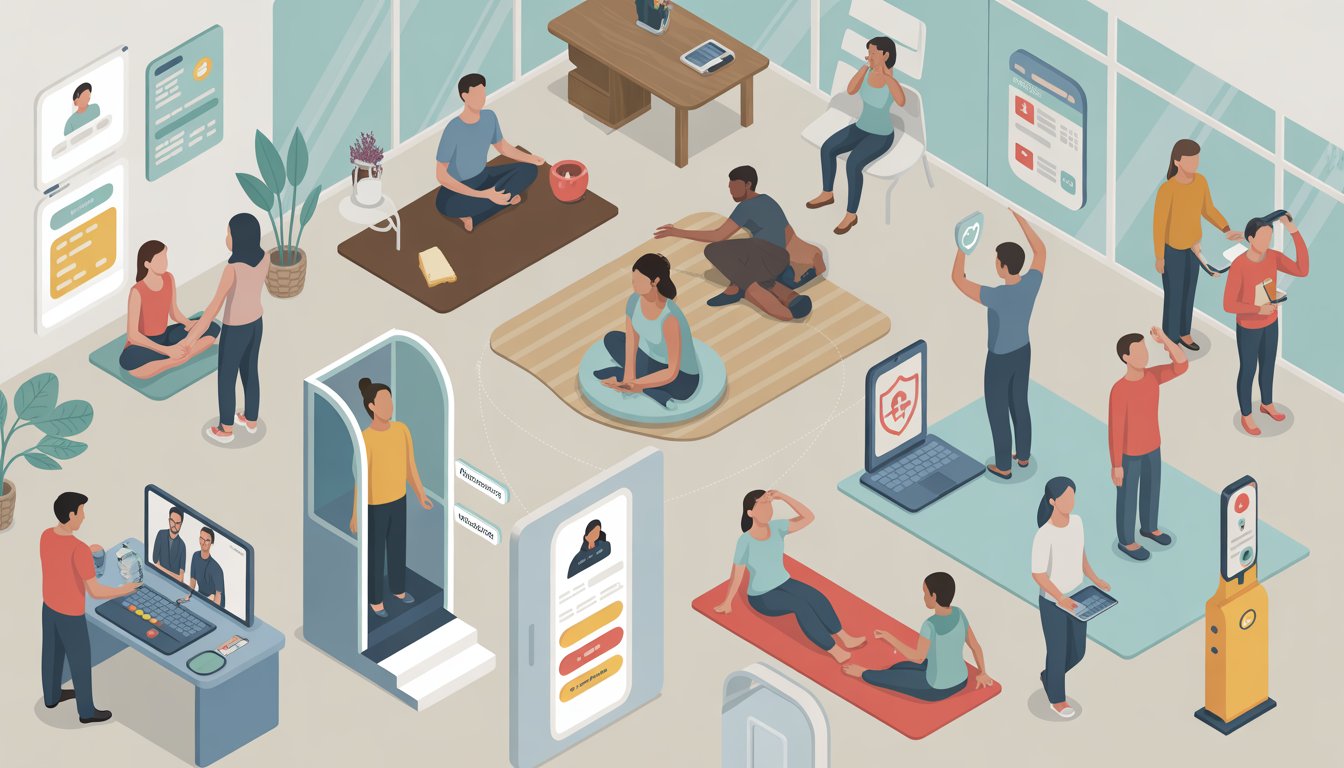
A solid workplace wellness program covers mind, body, and daily life. It should blend policy, activities, and tech that employees actually use. Most importantly, it needs privacy-by-design so staff feel safe to engage. The best plans start small, learn fast, and scale what works, rather than throwing everything at once. By integrating these elements thoughtfully, companies can foster a supportive environment that enhances overall employee wellbeing and productivity in the Malaysian context.
Embracing a Holistic Approach to Employee Wellbeing
In an era where the pace of life and workplace demands constantly escalate, fostering a holistic approach to employee well-being is imperative. This section explores key strategies that go beyond traditional programs, emphasizing the link between personal and professional health. Holistic wellness recognises that people bring the whole self to work. Stress at home, commute headaches, and health worries all show up in performance. A thoughtful plan aligns benefits, culture, and app tools so support is easy to find and safe to use, day by day. Ultimately, this approach not only boosts individual health but also contributes to a more resilient and engaged workforce.
Regular Check-ins for Mental Health Support
Short, structured check-ins normalise conversation around stress and mood. Managers can use simple guides and an app to log themes, not personal details. With consent, anonymised insights flag hotspots, while individual notes stay private and encrypted. Implementing these check-ins regularly helps build a culture of openness, where employees feel supported in addressing mental health concerns early. Over time, this practice can lead to reduced absenteeism and improved team morale, making it a valuable component of corporate health wellness programs in Malaysia.
Flexible Work Schedules to Promote Work-Life Balance
Flexi-hours help staff dodge KL traffic, attend family needs, and pace recovery after illness. Clear guardrails—like core hours and response norms—keep teamwork smooth. Over time, teams see fewer late-night messages and steadier productivity. This flexibility is especially beneficial in Malaysia’s fast-paced urban environments, allowing employees to manage personal responsibilities without compromising work commitments. As a result, it contributes to lower stress levels and higher job satisfaction across the organization.
Smoking Cessation Programs for Better Health Outcomes
Quitting aids like coaching, nicotine replacement, and peer support cut long-term health risks. Digital trackers can nudge at tough moments, with opt-in alerts only. Data should be private, with no sharing to managers, only anonymised uptake rates. These programs are crucial in addressing prevalent health issues in Malaysian workplaces, where smoking rates can impact overall employee wellbeing. By providing tailored support, companies can help individuals achieve lasting health improvements while fostering a healthier office culture.
Financial Wellness Programs to Reduce Anxiety
Money stress hits focus and sleep. Workshops on budgeting, debt, EPF planning, and scams reduce anxiety. Use confidential sessions and privacy-first calculators so employees feel safe to explore options without judgment. In Malaysia, where economic pressures are common, these programs offer practical tools for financial stability. They empower employees to make informed decisions, leading to reduced stress and enhanced concentration at work.
On-site Fitness Centers for Physical and Mental Wellbeing
Simple spaces work: a small gym, showers, or a multipurpose room for classes. Lunch-hour sessions fit Malaysian routines and avoid after-work traffic. Where space is tight, partner gyms or app-based workouts are solid substitutes. These facilities encourage regular physical activity, which is essential for maintaining energy levels and reducing burnout. Incorporating them into daily routines helps employees integrate fitness seamlessly into their work lives.
Health Screenings for Early Detection
Annual screenings for blood pressure, glucose, cholesterol, and BMI catch risks early. Offer optional add-ons based on age and need. Show results directly to employees, and share only aggregated, de-identified trends with HR for planning. In the context of workplace wellness Malaysia, these screenings are vital for preventive care. They enable timely interventions that can prevent more serious health issues down the line.
Employee Assistance Programs (EAP) for Confidential Support
EAPs provide short-term counseling, referrals, and immediate support after critical incidents. Confidentiality must be ironclad to build trust. Clear communication helps employees understand that managers see zero personal session details. These programs are particularly important for addressing both personal and work-related challenges in a diverse Malaysian workforce. By offering accessible support, companies can help employees navigate difficulties effectively.
Team-Building Activities to Foster Camaraderie
Low-pressure activities strengthen bonds and include everyone, not just extroverts. Simple formats like gotong-royong or creative workshops reduce silo thinking. Virtual-friendly versions help distributed teams feel connected, especially on hybrid weeks. Such initiatives are key to building a supportive company culture in 2025. They promote collaboration and reduce feelings of isolation among employees.
Commuting Initiatives to Ease Travel Stress
Staggered start times, transit subsidies, or carpool perks can cut jam stress. Remote days for deep work also help. Employees arrive calmer, and meetings start on time, tak perlu rush. In bustling cities like Kuala Lumpur, these initiatives significantly improve daily wellbeing. They contribute to a more punctual and less stressed workforce overall.
Healthy Food Options for Nutritional Support
Canteen menus with less minyak, lower sugar drinks, and plant-forward options shift daily habits. Transparent labeling and subsidised healthy picks make the better choice the easy choice. Occasional themed “makan sihat” days keep it fun and inclusive. Promoting these options aligns with employee wellbeing 2025 trends in Malaysia. It encourages sustainable eating habits that benefit long-term health.
For quick planning, the table below summarises common components, goals, app features, privacy safeguards, and typical costs in RM. Use it as a reference while tailoring to team size and industry risk.
| Component | Primary goal | Optional app feature | Privacy safeguard | Typical employer cost (RM) |
|---|---|---|---|---|
| Mental health check-ins | Early stress support | Mood tracking, nudges | Encrypted notes, opt-in | 0–60 per employee/year |
| Flexi-hours policy | Work-life balance | Schedule planning | Policy transparency | Admin time |
| Smoking cessation | Reduce health risks | Quit plan tracker | Anonymised reporting | 80–300 per participant |
| Health screenings | Early detection | Results vault | De-identified dashboards | 80–300 per employee |
| EAP | Crisis and counseling | 24/7 chat line | Strict confidentiality | 60–150 per employee/year |
| Healthy meals | Daily nutrition | Canteen ratings | No personal diet logs | Subsidies vary |
Costs vary by vendor, scale, and location. Start with one or two high-impact components, measure uptake, then expand. Keep privacy front and centre to drive sustained participation. This balanced approach ensures that workplace wellness Malaysia programs are both effective and sustainable.
Top 10 Corporate Employee Wellness Programs in Malaysia 2025
Creative, hands-on sessions make wellness tangible and fun. These 2025 picks suit hybrid teams, different budgets, and a mix of personalities. Each option builds confidence, mindfulness, or movement without feeling like “extra work.” By incorporating these programs, companies can enhance employee wellbeing 2025 while fostering a positive work environment tailored to Malaysian corporate culture.
Mandala Art Workshops for Mindfulness
Drawing mandalas slows the mind and nurtures focus. Facilitators guide breathing, shapes, and colours to anchor attention. Employees leave with a calm routine they can repeat at home before big meetings. This activity is particularly effective for stress relief in high-pressure environments. It encourages creative expression and can be adapted for virtual participation in hybrid setups.
Soy Wax Candle Making for Relaxation
Participants mix scents, pour wax, and personalise labels. The simple, tactile flow reduces rumination and screen fatigue. Candles become a daily reminder to pause, breathe, and reset. Ideal for team-building, this workshop promotes creativity and provides a sensory break from daily routines. In Malaysia, it resonates well with cultural appreciation for handmade crafts.
Perfume Making for Sensory Wellbeing
Curating a personal scent trains attention and sparks joy. Short lessons on notes and blends create quick wins. The final bottle doubles as a mood cue during stressful weeks. This program enhances self-awareness and can be customized to individual preferences. It’s a unique way to integrate wellness into corporate health initiatives.
Baking Classes for Team Bonding
Baking encourages teamwork, timing, and a little healthy competition. Recipes can be adapted for less sugar or more fibre. Sharing the results brings a warm, makan-together moment to the office. These sessions foster collaboration and provide therapeutic benefits through hands-on activity. They are especially popular in diverse Malaysian workplaces for building community.
Planter Box Gardening for Anxiety Reduction
Hands in soil, even for an hour, lowers stress. Teams assemble planter boxes for herbs or local greens. The mini-garden brightens pantries and sparks small talk beyond work tasks. This nature-connected activity promotes mindfulness and environmental awareness. It’s simple to implement and offers long-term benefits for mental health.
Soap Making for Creative Accomplishment
Choosing colours, textures, and scents encourages creative expression. People enjoy a tangible outcome they can gift or use at home. It’s low-pressure, inclusive, and photo-friendly for hybrid culture. Soap making workshops build confidence and provide a sense of achievement. They align well with wellness trends emphasizing self-care in 2025.
Domino Rally for Collaboration and Fun
Designing long tracks rewards planning and shared problem-solving. Quick iterations show how small adjustments improve outcomes. The final cascade is a playful release—good vibes, good learning. This activity strengthens team dynamics and encourages innovative thinking. It’s suitable for both in-person and virtual teams in Malaysia.
Lipstick Making for Self-Expression
Participants select shades that match their style or cultural events. The process boosts self-esteem and peer appreciation. It’s inclusive when offered alongside neutral balms for all genders. This workshop promotes personal wellness through beauty and creativity. It can be a fun addition to corporate health wellness programs.
Zumba Workshops for Fitness and Mood Boosting
Upbeat music and simple moves get hearts pumping fast. Instructors can scale intensity for mixed fitness levels. A 45-minute session delivers cardio, community, and many smiles. Zumba is energizing and accessible, making it ideal for diverse workforces. It supports physical health while enhancing overall wellbeing.
Alignment Flow Yoga for Flexibility and Clarity
Alignment-focused flows protect joints and build strength safely. Guided breathing improves focus for afternoon projects. Mats roll up easily, making this a practical hybrid-day routine. Yoga sessions promote mental clarity and physical resilience. They are a staple in effective employee wellbeing programs in Malaysia.
Your Partner in Employee Wellness
Strong partners combine evidence-based care, secure technology, and local cultural fluency. In Malaysia, privacy, PDPA alignment, and mobile convenience are make-or-break. The right support helps HR scale impact without drowning in admin. Partnering with experts ensures that programs are tailored to meet the unique needs of Malaysian workplaces, driving better outcomes for employee health and productivity.
A Whole Person Approach to Care
A whole-person model connects screenings, mental health, movement, sleep, and nutrition. It uses gentle nudges and culturally familiar content to keep things relatable. Employees feel seen as people, not just job titles. This holistic strategy addresses the interconnected aspects of health, leading to more comprehensive support. In practice, it results in higher engagement and sustained wellbeing improvements.
Targeted Strategies for Preventing Severe Health Issues
Risk stratification helps identify who needs extra support, with consent. Early coaching around blood pressure, stress, or glucose can prevent complications. Over time, companies see fewer crises and steadier attendance. These proactive measures are essential for long-term health management. They align with PDPA workplace health guidelines in Malaysia.
Supported by Licensed Practitioners
Licensed psychologists, dietitians, and health coaches bring depth and accountability. They tailor plans to individual goals and cultural norms. Quality assurance and supervision keep standards high across locations. This expert guidance ensures effective interventions. It builds trust in the wellness programs offered.
Naluri’s Series-B Fundraising for Expansion
Recent funding in the region signals growing employer demand for digital-first wellness. It also reflects expectations for secure data handling and measurable outcomes. Buyers now compare vendors on privacy controls as much as features. This development highlights the evolution of wellness solutions in Southeast Asia. It positions companies like Naluri as leaders in the field.
Thai Bank’s Integration of Wellness into Culture
Sustained programs work best when embedded in company rituals. Leaders model participation, and milestones get celebrated like sales wins. The result is a norm where taking care of health is simply “how we work.” This case study demonstrates the power of cultural integration. It offers valuable lessons for Malaysian organizations.
Fostering Productivity with Health Screenings
Screenings reveal risks that coaching can address early. Aggregated trends guide canteen menus, shift planning, and education topics. Employees trust the process when personal results remain private and secure. Regular checks contribute to a healthier workforce. They support overall business performance.
Chronic Disease Management Strategies for HR
For diabetes, hypertension, or asthma, steady support beats one-off workshops. Simple checklists, medication reminders, and telehealth access make care easier. Confidentiality ensures employees seek help early, not after a flare-up. This guide helps HR implement effective strategies. It improves outcomes for employees with ongoing conditions.
FAQs
How should a company measure ROI for wellness in 2025?
Blend leading and lagging indicators. Track participation, satisfaction, and app engagement first, then monitor absenteeism, turnover, and healthcare claims over quarters. Use anonymised dashboards and set a baseline so improvements are clear. Measuring ROI this way provides a comprehensive view of program effectiveness. It helps justify continued investment in corporate health wellness programs.
What privacy practices matter most under Malaysia’s PDPA?
Use consent-based data collection, encryption at rest and in transit, and strict role-based access. Share only aggregated insights with HR and managers. Make personal results available directly to employees with clear data retention policies. These practices ensure compliance and build trust. They are crucial for privacy in wellness apps in Malaysia.
How much budget should SMEs plan for wellness programs?
Start small with RM80–300 per employee for screenings, EAP access, and a quarterly activity. Add a low-cost app for nudges and secure messaging. Scale components that show high uptake and positive feedback. Budgeting this way allows for gradual implementation. It maximizes wellness ROI for smaller businesses.
About The Author
