
Introduction
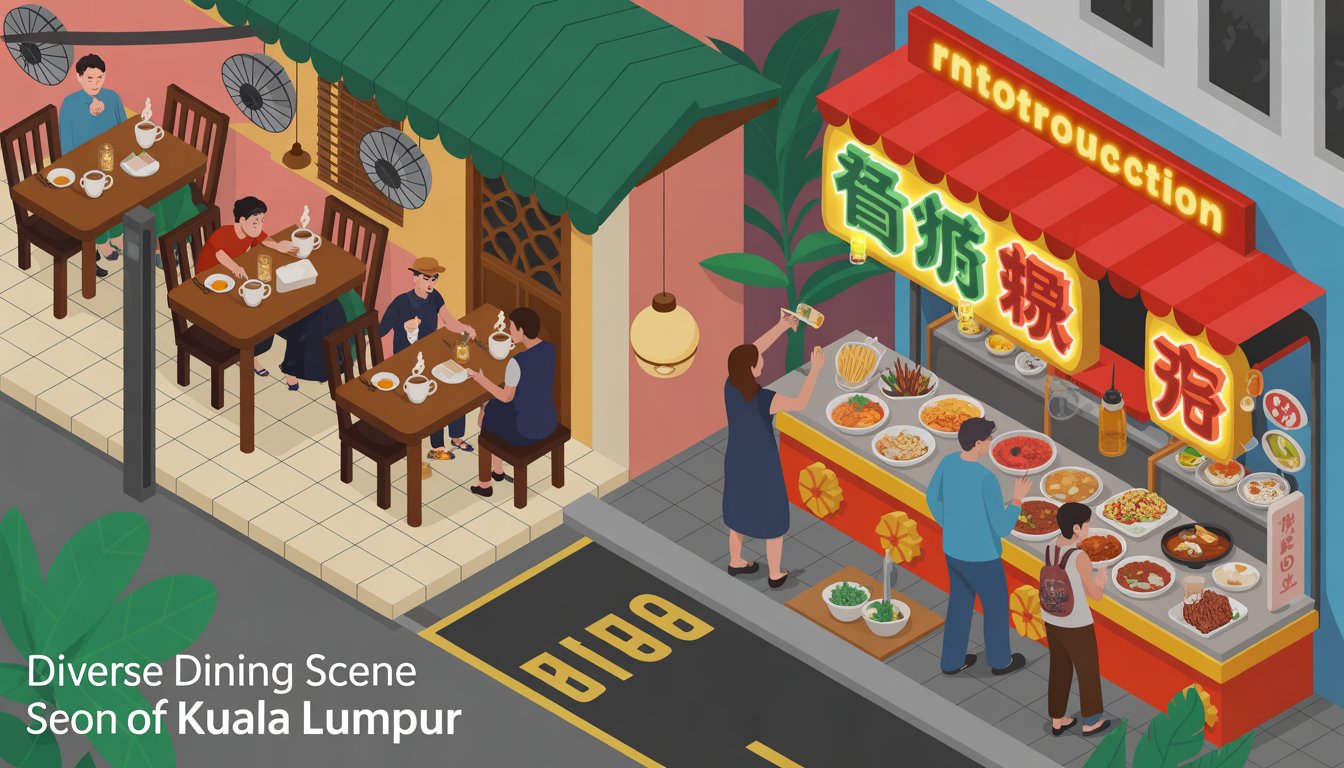
If you asked me “what is the best place for dinner in KL?” I’d answer with a question back: what kind of dinner are you picturing tonight? Kuala Lumpur is layered with flavors—from old-school kopitiams and neon-lit street food to sky-high restaurants and Michelin-recognized kitchens. In this 2025 guide, I share how I personally decide where to eat, then tailor options by neighborhood, style, and mood so you can build your perfect dinner plan without second-guessing.
Think of this as a how-to guide rather than a one-size-fits-all list. I’ll show you how to choose based on vibes (casual vs fine), dietary needs (halal, vegetarian, no pork), budget (RM-friendly to special-occasion), and logistics (walkable from your hotel, easy to book, or open late). If you just want the shortlist, see my picks for best place dinner in kl and compare them to your personal preferences.
Before we dive in, a quick update check for 2025: opening hours change, pop-ups appear, and menus evolve. My approach uses a few app features I rely on during trips—map layers to avoid traffic, live opening hours to dodge closed kitchens, and saved lists so I can pivot if a place is packed. With that mindset, let’s eat.
My Kuala Lumpur Food Guide
When I land in KL, I plan dinner like a local: start with a neighborhood anchor, then layer in a signature dish, and finally check for queues or reservations. If I’m with friends, I prioritize shared plates; if it’s a date night, I weigh ambience over sheer variety. I also keep a backup spot within a 10-minute walk—KL’s spontaneity is part of the fun. This personalized strategy ensures every meal feels tailored and enjoyable, setting the stage for exploring specific hidden gems and dining recommendations.
What are some hidden gem foods in KL?
KL’s hidden gems aren’t always hidden—they’re often in plain sight, overshadowed by viral hotspots. I love scouting morning kopitiams that quietly serve at night, like places doing Hainanese chicken chop, curry mee, or char kuey teow with proper wok hei. In neighborhoods like Pudu and Chow Kit, you’ll still find old-school stalls where the cook has made the same dish for decades, and that consistency makes every plate feel like a small miracle. To truly appreciate these spots, take time to chat with the vendors, as their stories add depth to the flavors you experience.
When I’m in the mood for something off the main tourist path, I chase nasi lemak by aroma and look for stalls steaming with fresh coconut rice and crispy ikan bilis. I also recommend seeking out banana leaf rice for dinner—it’s usually thought of as a lunch dish, but many spots serve it through the evening with curries that deepen over the day. For dessert, watch for cendol carts; the shaved ice and gula Melaka hit differently in KL’s humidity. Pairing these with a cold drink can make for a refreshing end to your meal on a warm evening.
My tip: use your map app’s “popular times” and “open now” filters at around 6:30 p.m. You’ll avoid the biggest rush while catching kitchens just as they hit their stride, especially at claypot and curry-focused places that taste best fresh off the fire. This timing strategy not only saves you time but also ensures the food is at its peak freshness, enhancing your overall dining experience in Kuala Lumpur.
Where should I go for dinner in Kuala Lumpur?
I start by matching my dinner goal with a neighborhood. If I want variety and energy, I default to Bukit Bintang and Lot 10 Hutong’s curated hawker legends. For iconic KL views and modern Asian plates, I head near the Petronas Towers and the KLCC-Troika area. If I’m craving heritage flavors with character, I make a beeline for Chinatown’s Petaling Street, then wander into lanes that still feel cinematic after dark. This neighborhood-based approach helps streamline decisions and maximizes your enjoyment.
Here’s how I personalize the choice. For halal requirements, I look for explicit signage or menus marked “no pork”; KL is very accommodating, and many kitchens highlight halal-friendly options. Vegetarians can flourish with Chinese Buddhist cuisine and Indian vegetarian thali; when in doubt, I check for tofu, eggplant, okra, and mushroom-driven menus. For budget, I define a range upfront—say RM20–40 per person for a hawker-style dinner versus RM100+ for skyline dining—then short-list two options each in case one is packed when I arrive. Considering group dynamics also plays a key role in making the evening memorable.
Finally, I use simple app features to stay flexible: I save a “primary” and “backup” in the same area, toggle traffic layers so I don’t spend dinner in a jam, and check kitchen last orders (some close by 9:30–10 p.m.). This micro-planning means I get what I want without rushing or settling. Incorporating these tools into your routine can transform a potentially chaotic night into a seamless culinary adventure.
Final thoughts on where to eat in Kuala Lumpur
The “best place” isn’t a single restaurant; it’s the right fit for your night. If you’re new to KL, mix one classic heritage stop (claypot rice or fish head curry), one street food sprint (Jalan Alor or Chinatown), and one city-view dinner. Across three evenings, you’ll taste KL’s full spectrum. And if you only have time for one dinner, pick the place that tells the most KL story for you—charcoal smoke, spice, or skyline—then savor it. Remember, the joy of dining in KL lies in its diversity and the stories behind each bite.
The Best Food in Kuala Lumpur by Neighbourhood
Kuala Lumpur’s neighborhoods each carry a different dinner personality. I use this map-first approach to narrow choices fast, especially if I’m short on time or traveling with mixed preferences. Here’s a quick comparison to help you decide at a glance before we go deeper. Understanding these vibes can guide you to the perfect spot for your mood and needs.
| Neighbourhood | Vibe & Use-case | Signature Dishes | Typical Dinner Budget (RM) | Booking Ease |
|---|---|---|---|---|
| Bukit Bintang | Lively, walkable, huge variety; great for first-timers | Wok-fried noodles, roast meats, desserts | 20–60 (hawker/coffee shops), 80–150 (casual restaurants) | Walk-in friendly; peak hours can queue |
| KLCC / Near Petronas Towers | City views, polished service; ideal for dates/clients | Modern Asian, steaks, Malaysian classics with a twist | 80–150 (casual), 150–400+ (fine dining) | Reservations recommended |
| Chinatown (Petaling Street) | Historic, atmospheric, great for food crawling | Hokkien mee, wantan mee, kopitiam sets | 15–50 (street/kopitiam), 60–120 (cafés/bistros) | Mainly walk-in; lines at hotspots |
| Pudu / Bangsar | Old-school soul (Pudu) and social dining (Bangsar) | Claypot rice, banana leaf rice, fish head curry | 20–60 (classic shops), 60–120 (modern spots) | Walk-in with occasional waits |
Where to eat in Bukit Bintang: Top spots including Capitol Cafe, Lot 10 Hutong Food Court, Murni Discovery, Bröom at Bukit Bintang, and Gravybaby
For a fuss-free introduction to KL flavors, Lot 10 Hutong remains my reliable hub. It’s a curated food court bringing together legacy hawkers—great when your group can’t decide. I go for char kuey teow with proper wok hei, pork noodles if you eat pork, and roast meats over rice. The convenience is unmatched, especially on a rainy evening when you want many options under one roof. This spot truly captures the essence of Bukit Bintang’s vibrant dining scene.
Capitol Cafe offers a nostalgic kopitiam feel with local staples. Think nasi lemak, kaya toast, and classic drinks to pair with your mains. If you prefer a more experimental plate, Bröom at Bukit Bintang delivers imaginative bakes and café fare that can double as an easy dinner, especially if you’re leaning lighter or want a pastry-centric night. These options provide a nice mix of tradition and innovation for varied tastes.
Murni Discovery is a crowd-pleaser for its expansive menu, generous portions, and late hours—handy when everything else is winding down. I like it for mixed groups: someone can have western-style plates while another orders roti or nasi goreng. For a lively drink-and-dine atmosphere, Gravybaby adds that fun, comfort-food angle with pies and hearty sides—ideal when you want an easy, satisfying meal before a night stroll. Together, these venues make Bukit Bintang a top choice for diverse dinner experiences.
Where to eat in KL near Petronas Towers
Near the Petronas Towers, I plan dinner with two objectives: enjoy the view and avoid feeling trapped in a mall. The Suria KLCC food court works in a pinch, but I prefer walking a little for better ambiance. Restaurants in the KLCC–Troika stretch offer skyline moments, and if you’re celebrating, this is where it pays to book ahead. The area’s blend of modernity and cuisine makes it perfect for special occasions.
Madam Kwan’s is a long-standing choice for first-timers who want a clean sampler of Malaysian classics like nasi lemak and curry laksa, with attentive service and consistent quality. For a more elevated experience with flavors that nod to Malaysia while leaning modern, the restaurants clustered around Troika and nearby towers deliver polished dining and top-notch cocktails. If you want to time your meal with the fountain show, book an earlier slot and enjoy a post-dinner stroll under the towers. This timing can elevate the entire evening.
My practical tip: plan around traffic. If you’re coming from Bukit Bintang at peak hour, walking or hopping on the LRT may be faster. And confirm kitchen last orders—some higher-end spots close earlier than you’d expect on weekdays. Being prepared ensures a smooth and enjoyable dining outing in this iconic area.
Where to eat in Chinatown
Chinatown’s charm is the way it shapeshifts between day and night. By evening, Petaling Street hums with smoke from woks and grills, and the sidestreets reveal cafés and bistros tucked behind vintage facades. If I want old-school soul food, I target Hokkien mee glistening with dark soy and pork lard, or wantan mee with springy noodles and char siu if you eat pork. The flavor is deep, the energy authentic, and the prices friendly. This neighborhood offers an immersive cultural dining experience.
For a relaxed dinner that still honors heritage, I’ve enjoyed time-tilted cafés serving Hainanese chicken chop, curry mee, and traditional toast sets into the evening. Places like Kim Lian Kee for Hokkien mee and Ho Kow Hainam Kopitiam for nostalgic plates are stalwarts; if you prefer a café-bistro vibe, stylish spots tucked into pre-war shophouses keep it casual but photogenic. Chinatown is where I’d bring visiting friends who want a KL night with character. The mix of old and new creates a unique atmosphere.
If you plan to graze, come hungry and build a mini food crawl: one bowl of noodles, a side of roast meats, a plate of chee cheong fun, then a sweet finish with ais kacang or herbal jelly. Keep cash handy for smaller stalls and be patient—queues are part of the story here. Embracing this approach allows you to sample a wide array of flavors in one vibrant location.
Jalan Alor Food Street: Most Famous Food in Kuala Lumpur
Jalan Alor is KL’s open-air dining theater—bright lights, hawker smoke, and menus that stretch for pages. It’s touristy, yes, but still a classic, particularly if it’s your first night and you want to soak up the scene. I treat Jalan Alor as a casual, shared-plates dinner: order a few signatures, accept the bustle, and enjoy the spectacle. This street embodies the lively spirit of Kuala Lumpur’s street food culture.
What is the best street food in Kuala Lumpur?
Everyone argues about the “best,” but I return to a few staples: smoky satay with chunky peanut sauce, char kuey teow with prawns and crisp bean sprouts, and grilled chicken wings that arrive lacquered and sticky. If you eat pork, look for siew yoke platters with brittle crackling; otherwise, seafood options—from lala clams to chili crab—are plentiful and satisfying. Durian stalls are ubiquitous; if you’re curious, ask for a mild variety to ease in. These dishes highlight the diversity and boldness of KL street flavors.
My approach is simple: start with satay and greens, add a noodle or rice dish, then share one grilled item. This keeps dinner balanced and lets you try multiple flavors without overordering. Prices are a bit higher than neighborhood hawker centers, but the energy premium is part of the package. It’s an ideal way to immerse yourself in the local food scene.
If you’re crowd-averse, come right at opening or late after peak; service is easier and the grills are still hot. And bring an open mind—Jalan Alor is about the performance as much as the plate. This mindset enhances the overall experience of one of KL’s most iconic dining destinations.
Top Restaurants in KL: Heun Kee Claypot Chicken Rice
Heun Kee in Pudu is an institution for claypot chicken rice, famed for its charcoal-fired pots that give the rice a smoky aroma and a prized crust at the bottom. It’s one of those places that proves simplicity can be transcendent when a kitchen obsesses over heat control and timing. Expect a queue at peak times, but turnover is fairly quick. This spot is a must-visit for anyone seeking authentic Malaysian comfort food.
What to order at this iconic spot for authentic claypot chicken rice
Order the claypot chicken rice with Chinese sausage if you eat pork, or stick to the classic chicken and salted fish combination for a punchy, umami-rich profile. Ask the staff to crack a raw egg on top right before serving; mix it through to coat the grains and soften the crust slightly. I like to let the pot sit for 30 seconds to develop that golden, crispy socarrat-like layer at the base. This technique brings out the best textures and flavors in the dish.
Pair your main with a simple soup—watercress or old cucumber—so the meal doesn’t feel too heavy. Chili sauce on the side adds brightness, but go easy; you don’t want to drown out the charcoal note you came for. Portions are generous, so share if you’re planning another stop afterward. Adding these sides creates a well-rounded and satisfying meal.
For the full experience, visit during cooler evenings when the smoky aromas are even more pronounced. The communal atmosphere at Heun Kee adds to its charm, making it a great choice for group dinners. Overall, it’s a testament to KL’s rich culinary heritage.
Top Restaurants in KL: Annunar’s Fish Head Curry
In Bangsar and its surrounds, Annunar’s Fish Head Curry has a devoted following for its tangy, aromatic curry and tender fish head portions. It’s the kind of dinner that rewards bold palates and big appetites, best shared among friends with plenty of rice to soak up the gravy. This restaurant exemplifies the bold flavors of Malaysian Indian cuisine.
Some of the best fish head curry in KL
What makes Annunar’s stand out is balance: the curry is vivid without being punishing, sour from tamarind, rich with coconut, and laced with spices that unfold as the pot cools. The fish itself holds together beautifully, with gelatin-rich cheeks and collars that are a joy to pick through. Vegetables like okra and eggplant aren’t afterthoughts here—they’re silky, flavorful, and soak up the curry like sponges. This harmony of ingredients creates a truly memorable dish.
If you’re new to fish head curry, don’t be intimidated by the presentation. The server can help portion the best bits, and there’s plenty of meat around the head for a satisfying meal. Expect to leave glowing from the spice and deeply content. It’s an excellent introduction to this classic Malaysian specialty.
Many locals return regularly for the consistent quality and warm service. Pairing it with fresh roti can add another layer of enjoyment. Annunar’s remains a top pick for authentic curry experiences in KL.
What to order for a flavorful experience
Choose your pot size based on your group; medium works for two to three people with sides, while large suits four or more. Order extra okra and eggplant if you love vegetables that drink up sauce, and add a plate of fried bitter gourd or squid for contrast in texture. White rice is essential, and I like a tart drink—lime or iced tea—to reset the palate between bites. These additions enhance the overall flavor profile.
If spice tolerance varies in your group, balance the curry with milder sides like fried chicken or simple greens. And don’t rush—this is a convivial meal that invites conversation and a second helping. Sharing the dish fosters a sense of community around the table.
For variations, ask about seasonal additions or specials that might be available. The restaurant’s flexibility makes it suitable for different occasions. Ultimately, it’s a flavorful journey through KL’s curry traditions.
21 Best Restaurants in KL for Date Nights, Gatherings, and Special Celebrations
When the occasion matters, I look beyond menus to service, acoustics, and layout. Does the room feel intimate or buzzy? Are there semi-private tables for groups? KL’s upper-tier scene has matured; you can now find thoughtful Malaysian-inflected tasting menus alongside European, Japanese, and modern fusion options that respect local produce. This section highlights spots perfect for creating lasting memories.
Recommended spots for romantic dinners or group events
For romance, I prioritize lighting, music, and city views; for groups, I seek family-style menus and booking-friendly policies. Consider skyline modern Asian near KLCC, which is ideal for anniversaries with crafted tasting menus and wine pairings, or a contemporary Malaysian bistro in the city center offering inventive small plates great for sharing. Japanese omakase with seasonal imports provides intimate counters and meticulous technique, while a steakhouse with dry-aged cuts brings classic celebration energy and strong sides. These options cater to a range of special moments.
Non-halal Chinese banquet halls are excellent for multi-generational gatherings with set menus, and halal-friendly Malay fine dining elevates kampung flavors in a refined room. Chinatown heritage café-bistros offer moody, nostalgic decor for low-key date nights, and casual Italian trattorias in Bangsar serve comforting pastas and pizzas that are kid-friendly for birthdays. Each venue brings its unique charm to make your event special.
Shortlist two to three options, confirm dietary notes (halal, vegetarian, no pork), and preview seating if ambience is important to you. If you’re planning a proposal or milestone, call ahead—KL restaurants are generally happy to help with flowers, a custom message on dessert, or a surprise course. This preparation ensures a seamless and delightful experience.
Kuala Lumpur Michelin Restaurants
KL’s Michelin landscape has grown, with stars, Bib Gourmand, and Michelin Selected venues offering everything from tasting menus to time-honored comfort food. For 2025, I treat Michelin as a helpful compass rather than the only measure of greatness. Many of my most memorable meals in KL were at humble spots where technique and tradition shine. Exploring these can add a prestigious touch to your itinerary.
Discover the nearest Michelin-recognized restaurants
To locate Michelin-recognized options near you, open your map app and search by cuisine plus “Michelin” or look for “Bib Gourmand” and “Selected” tags in dining guides. I keep a saved list by neighborhood—KLCC for polished, Chinatown for characterful modern bistros, and Damansara/Bangsar for destination kitchens. If you’re staying in the city center, you can often walk or ride-hail within 10–15 minutes to a solid pick. This accessibility makes it easy to incorporate into your plans.
As you compare options, note the experience level: a Bib Gourmand often signals excellent value with hearty cooking, while a star generally means a more refined, service-forward night. Both have their place in a KL itinerary; I like one polished meal balanced by a street food evening. Mixing them provides a comprehensive taste of KL’s culinary scene.
Don’t forget to check reviews for recent updates on menus and service. Many of these spots offer unique twists on local ingredients. Ultimately, they represent the pinnacle of dining in Kuala Lumpur.
Explore newly added Michelin restaurants
Each year brings fresh additions—sometimes long-loved addresses finally recognized, other times bold new kitchens making waves. When I scan newly added lists, I look for two things: chefs highlighting Malaysian produce and places serving dishes that connect to local stories. This keeps the meal rooted in KL while still feeling modern. These newcomers often bring innovative energy to the scene.
New additions can book out quickly. If a place is hot, consider weekday reservations or a late seating. Alternatively, look at “Selected” venues in the same neighborhood; they often deliver strong cooking with a gentler waitlist. This flexibility helps you secure a spot without stress.
Following food blogs or apps can keep you updated on the latest entries. Many feature collaborations or special events. Exploring them adds excitement to your KL food journey.
Dive into Michelin Guide experiences and events
Special experiences—guest chef dinners, seasonal menus, or wine pairing nights—are a smart way to taste broadly without committing to the full flagship menu. I follow venues on social channels to spot limited runs and pop-ups, then set alerts for dates that align with my trip. If you’re celebrating, call to ask about customizations; many kitchens can tailor courses around dietary needs with notice. These events offer unique culinary adventures.
Don’t overlook lunch at Michelin-recognized restaurants. Prices can be friendlier than dinner, and you’ll still get a feel for the kitchen’s personality. Then, for the evening, pivot to a neighborhood classic—claypot, curries, or noodles—to round out the KL spectrum. This balance creates a well-rounded dining experience.
Participating in these can deepen your appreciation for fine dining. They often highlight seasonal ingredients creatively. Overall, they’re a highlight of any food-focused trip to KL.
FAQs
To wrap up this guide, let’s address some common questions about dining in Kuala Lumpur. These FAQs cover practical aspects to help you navigate your dinner plans with confidence. From safety to budgeting, I’ve compiled answers based on my experiences to make your trip smoother.
Is Kuala Lumpur safe for late-night dining?
Generally, yes—KL’s main dining districts like Bukit Bintang, KLCC, and Chinatown stay lively into the night. I stick to well-lit streets, use ride-hailing for longer hops, and keep valuables out of sight. Most popular spots are bustling until late, especially on weekends. Staying aware of your surroundings adds an extra layer of security.
What time do restaurants in KL usually close?
Street food and casual eateries may serve until 10–11 p.m., while cafés often close earlier. Higher-end restaurants typically seat last orders around 9:30–10 p.m., though weekend hours can extend. If you’re eating late, check the kitchen’s last-call time, not just the venue’s closing time. Planning ahead prevents disappointments.
Can I find halal and vegetarian options easily?
Yes. Many Malaysian restaurants are halal-friendly and clearly marked, and Indian and Chinese Buddhist eateries offer excellent vegetarian dishes. When in doubt, ask staff about ingredients or look for menus that label no-pork/no-lard and vegetarian options. This inclusivity makes KL welcoming for diverse diets.
How much should I budget for dinner in KL?
For hawker and kopitiam dinners, plan around RM20–40 per person; casual restaurants often run RM60–120. Fine dining with views can range from RM150–400+ depending on courses and drinks. Setting a budget first helps you filter choices and avoid decision fatigue. It ensures a stress-free dining experience.
About The Author
